TURNING SUMMER BREAK INTO A RECIPE FOR LIFELONG LEARNING
For many families, summer is a season of well-earned rest. It’s a time to unplug, recharge, and enjoy a slower pace before another school year begins.
But educators also know about the “summer slide” — the learning loss that can occur when students aren’t actively engaged in new experiences or practicing the skills they’ve built throughout the school year.
But we know learning doesn’t stop when the last bell rings. In fact, some of the most meaningful lessons happen outside the classroom — and sometimes, they’re found in the kitchen.
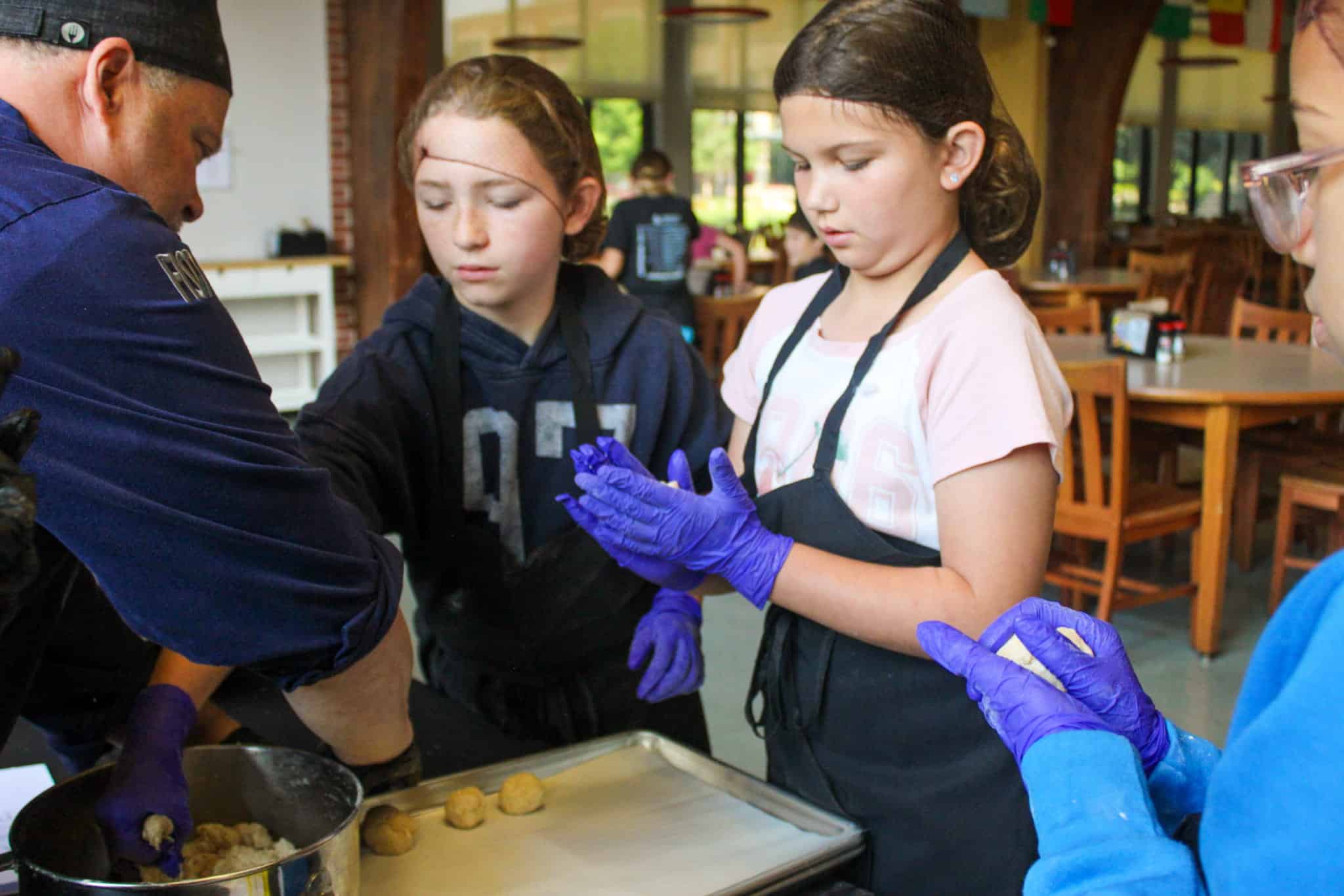
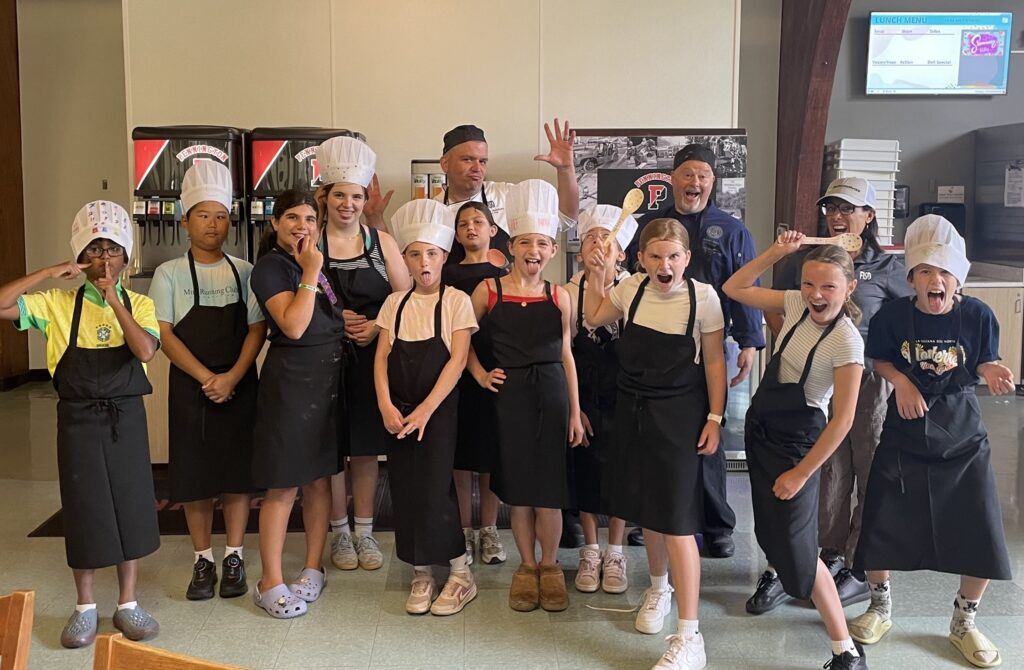
This summer, in partnership with The Pennington School, FLIK Independent School Dining’s District Chef Sebastian Muenkwitz hosted an immersive culinary camp designed to help students discover that cooking is about so much more than preparing meals. It’s about curiosity, confidence, and creativity.
A Classroom Without Walls
Throughout the session, campers rolled up their sleeves and learned by doing.
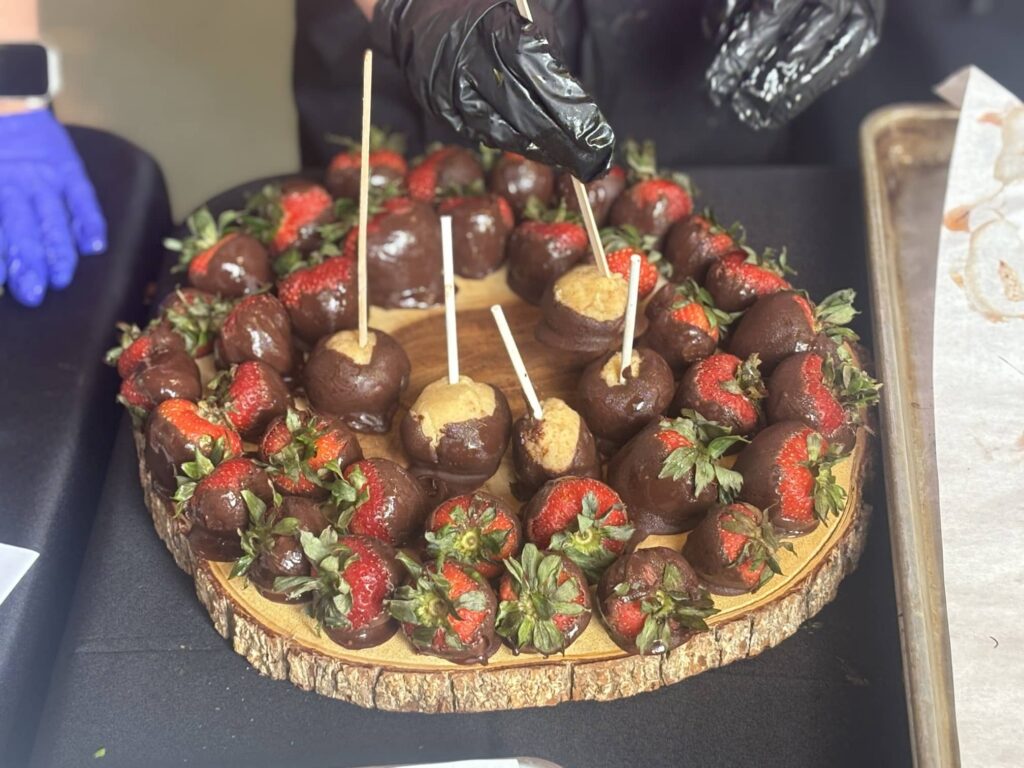
From baking cake pops while exploring the science of measuring ingredients to kneading pizza dough by hand and preparing fresh tortillas and empanadas from scratch, every activity was intentionally designed to strengthen both culinary techniques and life skills.
Campers learned how organization leads to success in the kitchen, why food safety matters, how teamwork makes every recipe better, and perhaps most importantly, that asking questions is an essential ingredient in learning something new.
Because while the recipes may change, the skills behind them — problem solving, communication, patience, and resilience — translate far beyond the kitchen.
Understanding Where Food Comes From
One of the week’s highlights took campers beyond the kitchen and onto the farm.
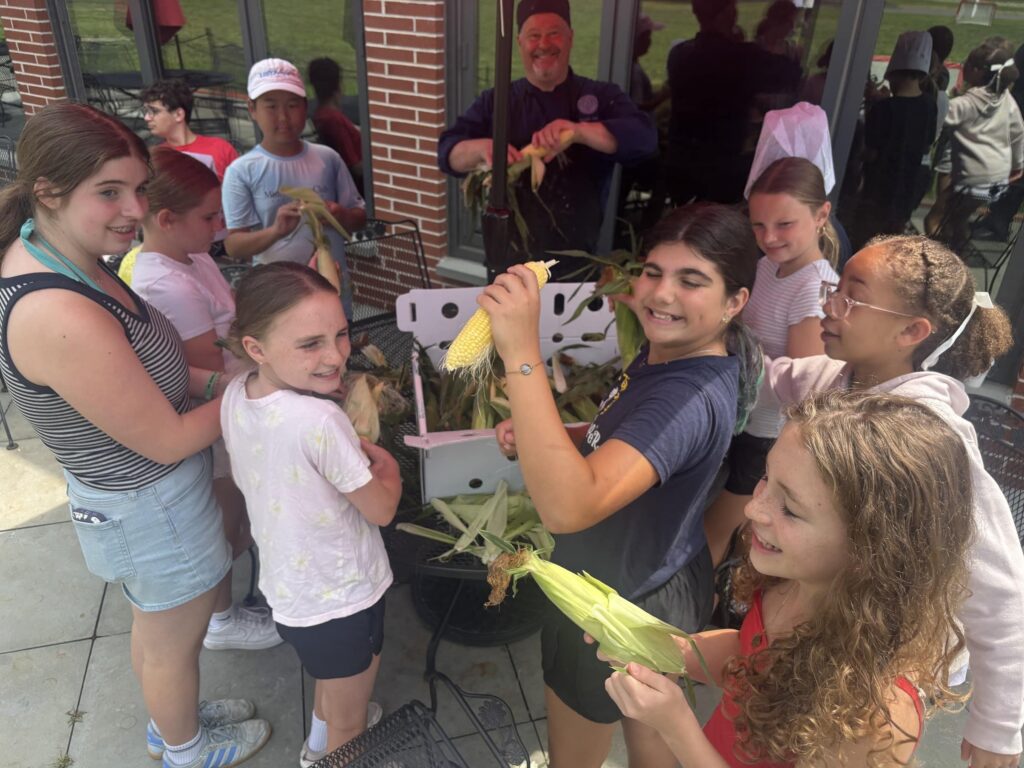
A visit to Terhune Orchards gave students an opportunity to experience the journey from farm to table firsthand. They toured orchards and crop fields, met farm animals, explored herb gardens, and visited the farm’s controlled-atmosphere apple storage facility, where apples from the previous harvest are preserved in low-oxygen conditions.
Along the way, students gained a deeper appreciation for agriculture and the realities farmers face. They learned how an unusually warm winter, followed by a late frost, destroyed nearly 85% of this year’s apple blossoms, creating challenges that affect harvests, local food systems, and, ultimately, the meals we enjoy every day.
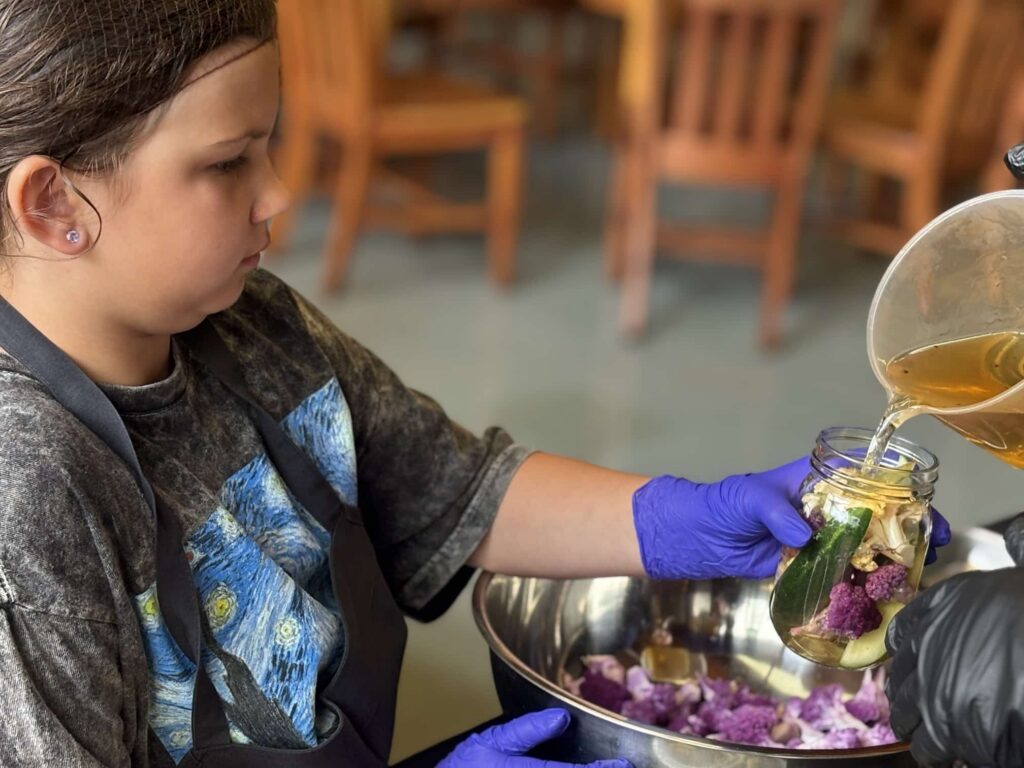
The vegetables harvested during their visit later became ingredients for homemade pickled vegetables, creating a full-circle learning experience that connected agriculture, sustainability, and cooking in a tangible way.
Building Confidence One Recipe at a Time
While campers certainly left with new favorite recipes, they also walked away with something even more valuable: confidence.
Every successfully baked cake pop, perfectly stretched pizza dough, and homemade batch of granola reinforced an important lesson—that trying something unfamiliar can lead to something rewarding.
By the end of the week, students weren’t just following recipes. They were making decisions, solving problems, collaborating with teammates, and proudly sharing what they had created.
Each camper received a Certificate of Completion recognizing the skills and accomplishments they developed throughout the week, but the greatest measure of success came before camp had even officially concluded.
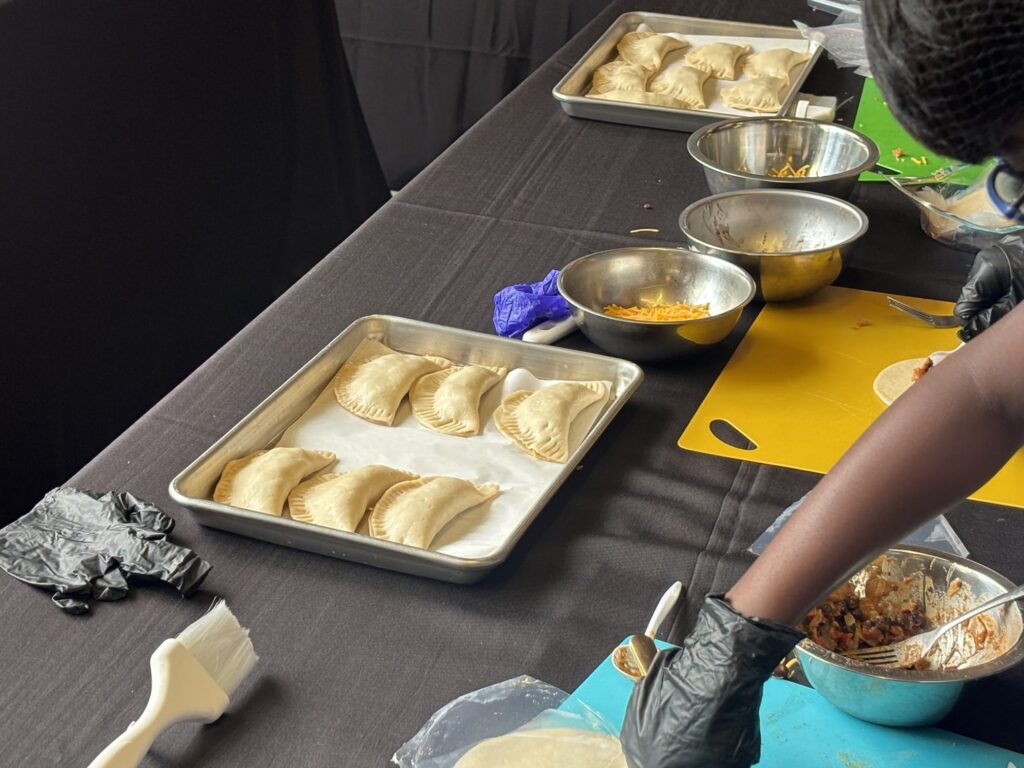
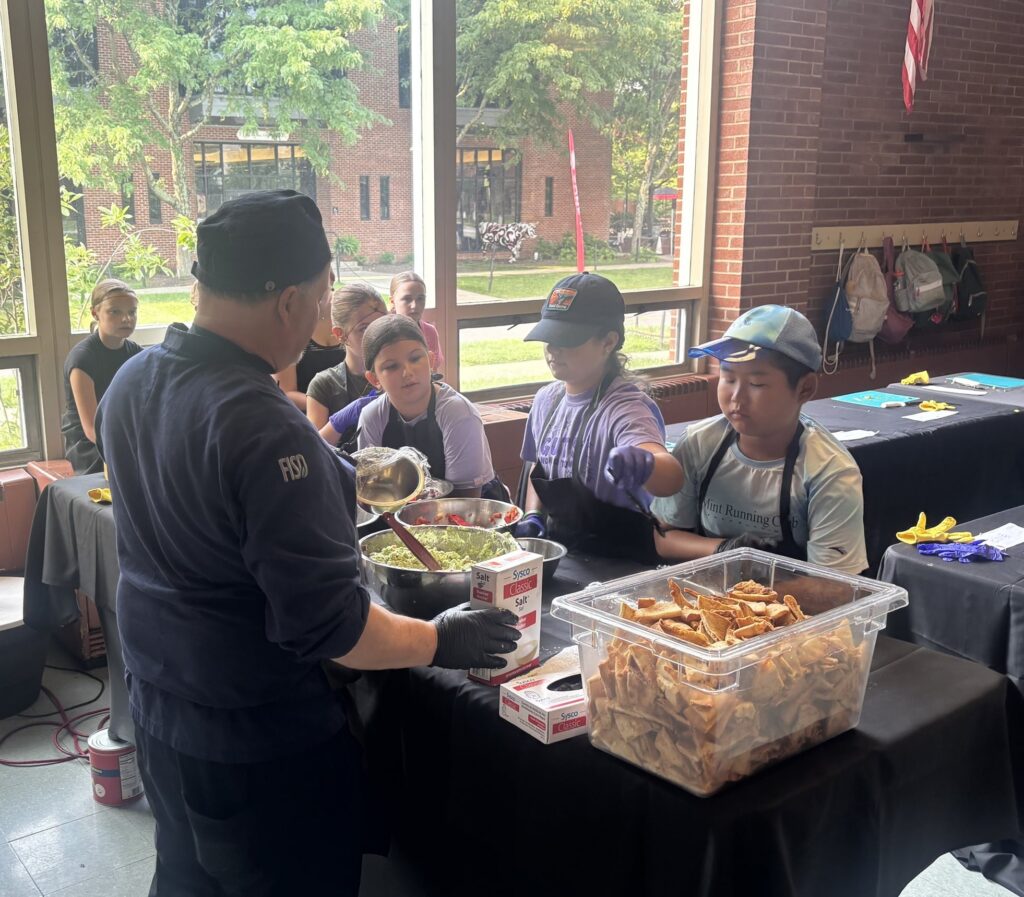
Several campers had already signed up to return next summer. When children are excited to come back and keep learning, that’s when you know you’ve created something meaningful.
It wasn’t simply about teaching children how to cook; it was about sharing a passion, creating memories, and helping the next generation build confidence through food — one meal, one lesson, and one shared experience at a time.
Nutrition Education, Done Right
At FLIK Independent School Dining, we believe dining programs are extensions of the educational experience.
Whether introducing global cuisines during the school year, teaching nutrition through interactive programming, or creating immersive summer camps like this one, our goal remains the same: to inspire curiosity, encourage exploration, and help students develop skills that support lifelong well-being.
Because preventing the summer slide isn’t only about reading another book or completing another worksheet.
Sometimes, it’s learning how to knead dough. Sometimes, it’s understanding why a late frost affects the apples in your lunch. And sometimes, the most lasting lessons are the ones made around the table.